Key points
- President Donald Trump declared foreign-made factory robots a national security threat on 28 October.
- The directive orders new trade negotiations with partners within 180 days, threatening tariffs if no agreement is reached.
- A Department of Commerce investigation found these imports pose risks to US industrial competitiveness and cybersecurity.
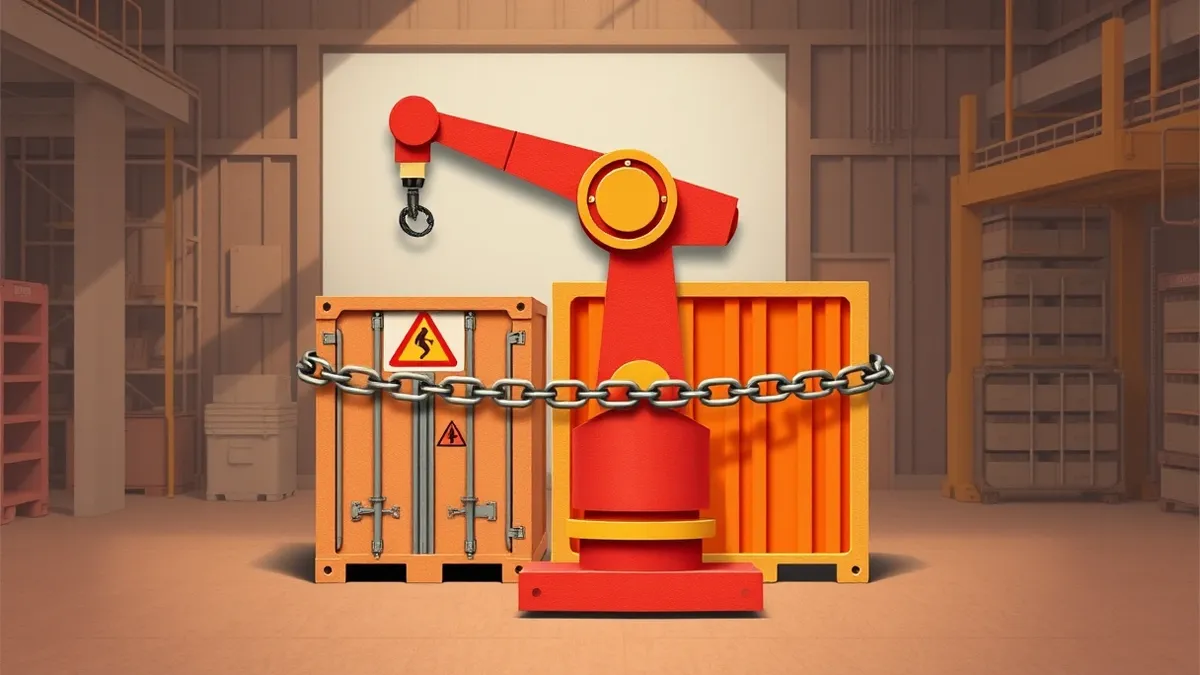
President Donald Trump issued a presidential proclamation on 28 October declaring that imports of foreign-made factory robots constitute a national security threat.reported The directive mandates new negotiations with trading partners and warns of potential tariffs on such machinery if agreements are not reached within 180 days.reported
The evidence
According to Ars Technica AI, the proclamation cites an investigation conducted under US Secretary of Commerce Howard Lutnick.reported That review concluded that US imports of industrial robots pose risks to the domestic industrial base. The investigation also identified unique security and safety risks associated with these machines. It stated that such risks may introduce significant cybersecurity vulnerabilities capable of causing severe consequences for the United States. The document describes industrial robots as crucial for producing military weapon systems. It further characterises them as a driving force behind all critical infrastructure sectors in the US economy.
The decision
The directive requires the United States and its trading partners to adjust imports of robotics, industrial machinery and their components. The administration aims to strike new agreements on this issue within 180 days of the proclamation’s date. If no agreements have been reached by that deadline, the proclamation warns that the president may take additional actions. These potential measures include imposing tariffs, duties, quotas and fees on such imports. Any resulting tariffs or fees would be paid by the US companies importing the foreign-made robots.
What the evidence means
This move represents heightened government scrutiny of foreign-made industrial robots. Such scrutiny could complicate manufacturing operations for major US corporations relying on these systems. Affected companies include Detroit automakers General Motors and Ford, electric vehicle manufacturer Tesla, and aerospace giants like Boeing and Lockheed Martin. This wording echoes justifications used by the Federal Communications Commission in July 2026. The FCC then banned new models of foreign-made robots, including robotic vacuums and humanoid robots. However, that earlier action specifically exempted industrial robot arms and other stationary robots used in factories.
What builders can do with it
The proclamation identifies industrial robots and machinery as crucial for producing US military weapon systems. It states that these imports pose risks to the US industrial base and threaten long-term competitiveness. The Department of Commerce investigation found unique security and safety risks that may introduce significant cybersecurity vulnerabilities. The directive aims to adjust imports of robotics, industrial machinery and their components through new agreements. If no agreements are reached within 180 days, the president may impose tariffs, duties, quotas and fees.reported These costs would be paid by US companies importing foreign-made robots. The proclamation does not specify technical interfaces or software limits for developers. It focuses on the macro-level import of hardware and components. The text notes that previous FCC actions exempted industrial robot arms and stationary robots. Now, these fixed robots are included in the scope of the new trade talks. The source material does not provide details on specific vulnerabilities or mitigation steps. It only reports the government’s assessment of risk and the planned trade actions.reported Builders face a regulatory environment where imports are subject to potential fees. The proclamation cites the need to protect national security and critical infrastructure. No technical guidance for developers is provided in the text. The focus remains on trade negotiations and potential financial penalties. The 180-day window defines the timeline for potential changes in import costs. Uncertainty exists regarding the outcome of the trade talks. The source does not state whether specific robot models are banned or restricted technically. It only mentions the possibility of tariffs and duties.
Why it matters
- US manufacturers like GM, Ford and Tesla may face higher costs or supply disruptions for essential industrial automation equipment.
- Developers of systems relying on foreign robotics must account for potential tariffs that could alter total cost of ownership within six months.
- The classification of industrial robots as national security threats may lead to stricter compliance requirements for hardware sourcing in critical infrastructure.
- The expansion of scrutiny beyond consumer robots to fixed industrial machinery suggests a broader regulatory shift affecting manufacturing tech stacks.
Topics: industrial robotics, US policy, national security, supply chain, tariffs
Updated
Ask the article
Local keyword search of this article; no generated answers.Did this article give you the evidence you needed?
Your choice stays on this device. No public tally.Questions readers ask
Which companies are affected by this proclamation?
Major US corporations relying on foreign-made robots, including General Motors, Ford, Tesla, Boeing and Lockheed Martin, are affected.
What is the deadline for trade agreements?
The directive aims to strike new agreements within 180 days of the proclamation’s date on 28 October.
What actions can the president take if no agreement is reached?
The president may impose tariffs, duties, quotas and fees on imports of robotics, industrial machinery and their components.
Connected stories
Reading receipt
- President Donald Trump declared foreign-made factory robots a national security threat on 28 October.
- The directive orders new trade negotiations with partners within 180 days, threatening tariffs if no agreement is reached.
- A Department of Commerce investigation found these imports pose risks to US industrial competitiveness and cybersecurity.