Key points
- NATO tested AI-assisted counter-drone systems using existing 5G towers in Latvia between 19 and 30 October.
- Admiral Pierre Vandier stated that agentic AI fixed interoperability issues between systems in hours.
- AT&T and Ericsson demonstrated similar 5G-based drone detection near a stadium in Texas, USA.
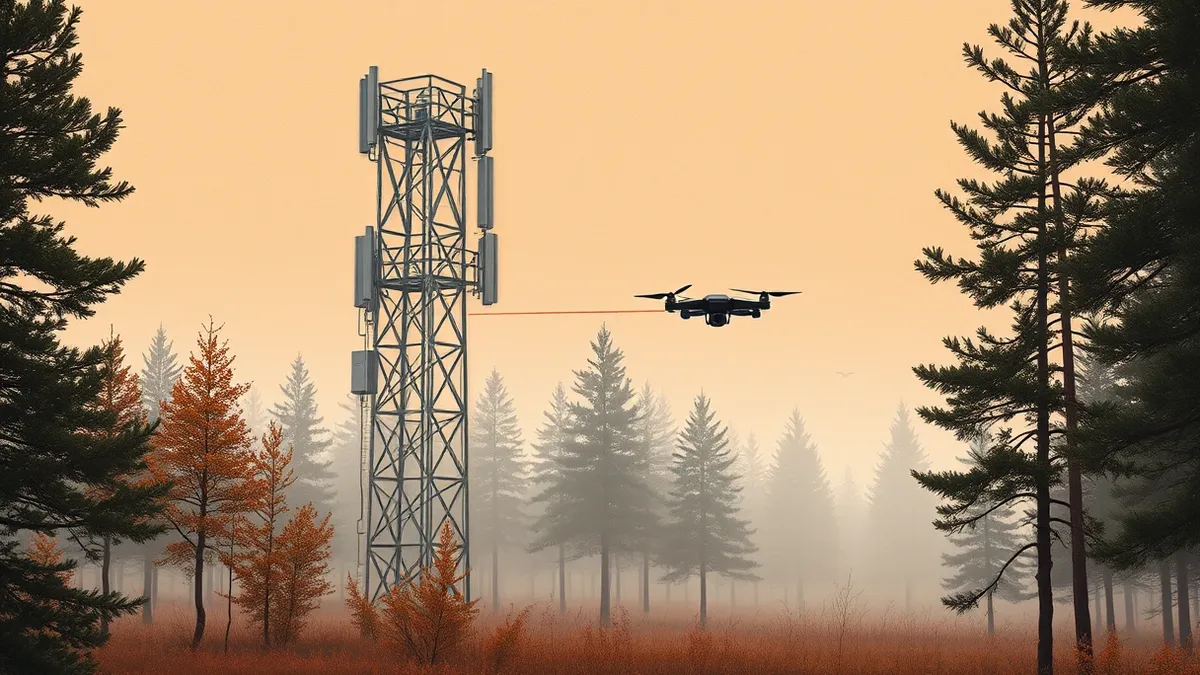
NATO conducted battlefield trials in Latvia that utilised commercial 5G infrastructure to detect and track unmanned aerial vehicles.reported The exercise, known as DiBaX 2026, ran from 19 to 30 October and involved multiple allied nations testing passive sensing capabilities.NATO tried using regular phone towers to find enemy drones in Latvia last month.The DiBaX 2026 exercise investigated passive sensing via commercial 5G using agentic AI for interoperability.
Evidence: reported
Military explores commercial 5G networks for enemy drone defense — AI agents developed the system recently used in battlefield trials in Latviaaifleet-tomshardware
The evidence
according to the published report, the trials investigated whether existing telecommunications networks could serve a dual purpose for national security.reported Three distinct methods of utilising commercial 5G were tested during the Baltic exercises.reported Some tests failed to perform as expected, providing lessons on the limitations of current technology.
Evidence: reported
Military explores commercial 5G networks for enemy drone defense — AI agents developed the system recently used in battlefield trials in Latviaaifleet-tomshardware
Evidence: reported
Military explores commercial 5G networks for enemy drone defense — AI agents developed the system recently used in battlefield trials in Latviaaifleet-tomshardware
The decision
Admiral Pierre Vandier, NATO’s Supreme Allied Commander Transformation, described the role of artificial intelligence in overcoming technical barriers. He stated that AI agents connected systems not originally designed to communicate, fixing interoperability issues in hours. This approach allows disparate national and Maven systems to operate together effectively.
What the evidence means
Repurposing cellular networks for sensing could enhance resilience against disruption through diverse communication channels. However, Tom’s Hardware noted concerns that 5G masts might become more attractive military targets.reported The success of these trials depends on balancing security benefits with increased vulnerability of infrastructure.
Evidence: reported
Military explores commercial 5G networks for enemy drone defense — AI agents developed the system recently used in battlefield trials in Latviaaifleet-tomshardware
What builders can do with it
Developers can build agentic AI solutions that bridge interoperability gaps between legacy and modern systems. The documented capability allows for rapid integration of disconnected networks, reducing the time required for system alignment. Builders can focus on creating agents that translate protocols between national and commercial infrastructure components.
Why it matters
- Commercial 5G networks can be repurposed for passive drone detection without additional hardware installation.
- Agentic AI can resolve interoperability issues between disparate military and national systems in hours.
- Existing telecommunications infrastructure may become high-value targets in future conflicts.
- Multiple network types, including satellites, can provide resilience against disruption during exercises.
Topics: 5G, AI agents, NATO, drone detection, interoperability
Updated
Then / now / next
Commercial 5G networks were primarily used for communications without integrated sensing capabilities.
NATO and US companies are testing 5G infrastructure for passive drone detection and tracking.
Observers will watch for further integration of AI agents in military communication systems.
Story timeline
- Then Commercial 5G networks were primarily used for communications without integrated sensing capabilities.
- 02 Nov 2026 Military explores commercial 5G networks for enemy drone defense — AI agents developed the system recently used in battlefield trials in Latvia
- Now NATO and US companies are testing 5G infrastructure for passive drone detection and tracking.
- Next Observers will watch for further integration of AI agents in military communication systems.
The strongest doubt
Counterpoint from the sources
Tom’s Hardware warned that leveraging 5G masts for military purposes could make them more attractive targets for adversaries.
For readers
Policy
- NATO is exploring dual-use of commercial infrastructure for national security resilience.
- Admiral Vandier highlights AI's role in rapid system integration for allied forces.
Researchers
- Trials tested three methods of utilising commercial 5G for drone sensing.
- Some tests failed, providing data on limitations of current network sensing.
Investors
- AT&T and Ericsson demonstrated 5G sensing technology, hinting at future 6G markets.
- Repurposing existing infrastructure could reduce costs for defence sensing solutions.
Ask the article
Local keyword search of this article; no generated answers.Did this article give you the evidence you needed?
Your choice stays on this device. No public tally.Questions readers ask
What was the purpose of the DiBaX 2026 exercise?
The exercise investigated whether 5G towers could passively detect and track flying objects, specifically drones.
Which companies demonstrated similar technology in the US?
AT&T and Ericsson demonstrated drone detection using advanced network sensing over a 5G network in Texas.
Did all tests in Latvia succeed?
No, some tests failed, but the organization noted that failures provide important lessons.
Connected stories
Reading receipt
- NATO tested AI-assisted counter-drone systems using existing 5G towers in Latvia between 19 and 30 October.
- Admiral Pierre Vandier stated that agentic AI fixed interoperability issues between systems in hours.
- AT&T and Ericsson demonstrated similar 5G-based drone detection near a stadium in Texas, USA.
Still open: Which specific three methods of utilising commercial 5G were tested in Latvia?
Still open: What were the specific outcomes of the failed tests during the exercise?